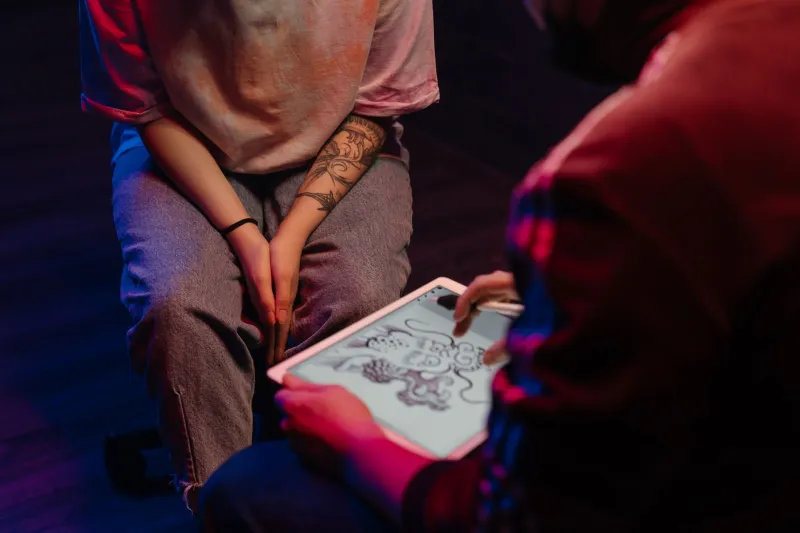
Old Symbols, New Skin: Why Culturally Rooted Tattoos Are Having a Major Moment Right Now
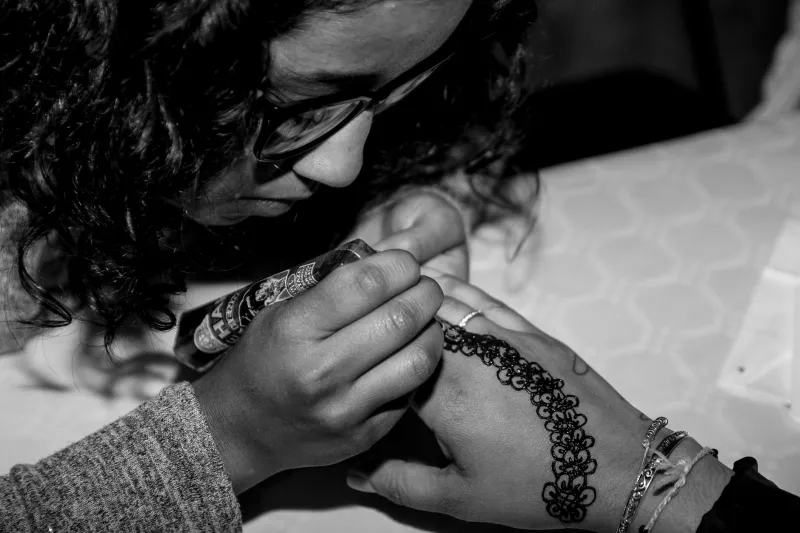
Scroll through any major tattoo account right now and you'll notice something interesting happening alongside the viral minimalist butterflies and the matching best-friend designs. There's a quieter, weightier movement gaining real ground — one defined not by what's trending on TikTok, but by what has endured for centuries.
Cultural tattoos. Ancestral symbols. Traditional motifs with roots that go back generations, sometimes millennia. And the people choosing them aren't doing it casually.
The Shift Away from Generic
For most of the 2010s, tattoo trends moved fast and looked similar. Geometric deer skulls. Semicolons. Infinity symbols. Tiny coordinates. These designs weren't meaningless to the people who got them, but they were broadly universal — accessible precisely because they didn't belong to any specific tradition or heritage.
Something has changed. Artists across the country are reporting a notable uptick in clients coming in with deeply researched requests — Hawaiian kakau patterns, West African Adinkra symbols, Indigenous beadwork-inspired designs, Celtic knotwork, Japanese irezumi iconography, Chicano-style imagery rooted in Mexican American visual culture. The specificity is new. So is the emotional investment behind it.
"People are coming in having done their homework," says Nalani Kahananui, a Hawaiian-born tattoo artist now based in Portland, Oregon, who specializes in traditional Polynesian tattooing. "They know what the symbols mean. They know the history. They want to carry something real, not just something that looks cool."
Reclaiming What Was Almost Lost
For many clients, choosing a culturally significant design is an act of reclamation — sometimes a deeply emotional one.
Colonization, assimilation, and diaspora severed millions of Americans from direct access to their ancestral traditions. Grandparents who spoke languages that weren't passed down. Ceremonies that were outlawed or shamed out of families. Cultural practices that survived only in fragments, in photographs, in the memories of elders.
For descendants navigating that loss, a tattoo can function as a bridge — a way of reaching back across generational distance and saying: I remember. I carry this forward.
Daniel Whitehorse, a 29-year-old from Albuquerque of Diné (Navajo) heritage, got his first traditional-inspired piece two years ago. "My grandmother knew the old patterns, the old stories," he says. "She passed before she could teach me everything. Getting this tattoo was my way of honoring that thread without letting it break entirely. It's not just decoration. It's a responsibility."
This language of responsibility comes up repeatedly in conversations with clients choosing heritage-rooted designs. There's a seriousness to the choice that sets it apart from trend-driven decisions.
Artists as Cultural Stewards
For artists who specialize in traditional styles, the work carries its own weight. Many describe themselves not just as tattooers but as cultural stewards — people entrusted with the visual language of communities that have fought hard to preserve it.
That responsibility shapes how they approach client consultations. Several artists we spoke with have clear guidelines around who they'll tattoo with certain designs and why.
"There are symbols in my tradition that aren't open to everyone," Kahananui explains. "They're earned. They mark specific life stages or community roles. If someone comes to me without that connection, I'll work with them to find something that honors the aesthetic and the spirit without crossing into what's sacred."
This is where the conversation gets genuinely nuanced — and where the line between appreciation and appropriation becomes something artists navigate daily.
Appreciation vs. Appropriation: The Honest Conversation
This is the question that hovers over every culturally significant tattoo discussion, and it deserves a direct answer: the line exists, it matters, and it's not always perfectly clear.
Broadly speaking, most artists and cultural scholars draw the distinction around context, intention, and community relationship. Wearing a symbol from a living culture that has sacred or earned status — without belonging to that community or having its blessing — tends to fall on the appropriation side of the line. Engaging with a tradition you have genuine heritage in, or approaching unfamiliar traditions with respect, research, and guidance from artists within those communities, tends to fall on the appreciation side.
But the lines blur. What about someone who is half Japanese and half Black, who wants to honor both sides of their identity? What about someone who has spent fifteen years studying a tradition that isn't their birth heritage but has become a defining part of their life? What about symbols that have been globally dispersed for so long that their cultural ownership is genuinely contested?
There are no clean universal answers. What there is, consistently, is the value of doing the work — researching, asking questions, seeking out artists from within the tradition you're drawing from, and being willing to hear "not this one" without taking it as a personal rejection.
"The clients who get it right are the ones who come in humble," says Marcus Webb, a Chicago-based artist specializing in West African and Afrocentric design. "They're not coming in to consume something exotic. They're coming in because it means something real to them, and they want to do it right."
What's Driving the Trend in 2024
Several factors seem to be converging to fuel this moment.
Genealogy culture — sparked by services like 23andMe and Ancestry.com — has sent millions of Americans on journeys of cultural rediscovery over the past decade. Social media has simultaneously made traditional art forms more visible and accessible than ever, connecting people with artists they'd never have found otherwise. And a broader cultural reckoning around identity, heritage, and belonging has made the question of where you come from feel more urgent and meaningful.
There's also a fatigue factor. After years of trend cycles moving faster than ever, there's something grounding about choosing a symbol that has outlasted fads by centuries. It's an antidote to the disposable.
Wearing History Forward
At Splash of Ink, we've always believed the most powerful tattoos are the ones that mean something — something specific, personal, and true. The resurgence of culturally rooted design is, at its core, a movement toward exactly that kind of meaning.
It's people choosing depth over trend. Choosing to wear their history forward rather than letting it fade. Choosing to make their skin a living record of where they came from and who they intend to be.
That's not nostalgia. That's one of the most forward-looking things you can do.