Fresh Ink, Real Talk: How You Treat Your Tattoo in the First Seven Days Changes Everything
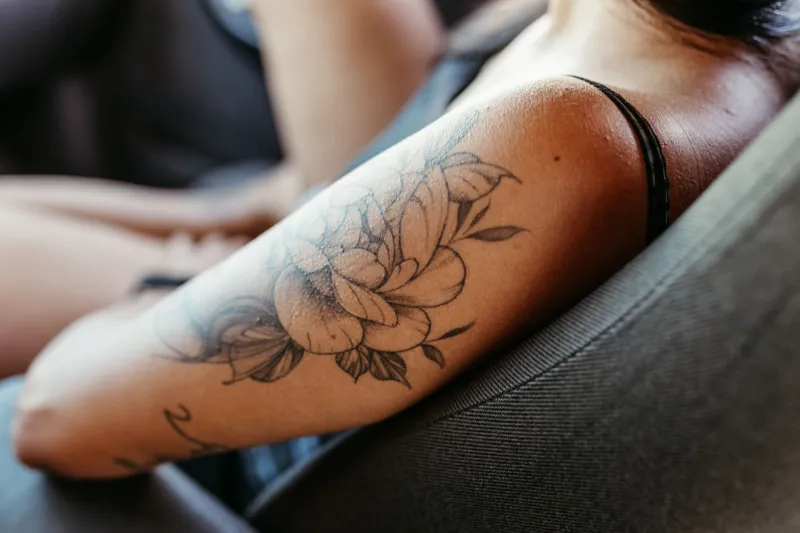
You just sat through two hours in the chair. Your artist handed you a care sheet, wrapped your new piece, and sent you out the door with a smile. You're buzzing. You're proud. You're already planning your next one.
And then — somewhere around day three — things get weird. It's itchy. It's peeling. It looks kind of dull. You start Googling at midnight wondering if you ruined a $400 tattoo by sleeping on your arm wrong.
Here's the thing: that panic is almost always avoidable. The difference between a tattoo that heals into something stunning and one that fades, blurs, or scabs into a patchy mess usually comes down to what you do — and don't do — in that first week. Let's break it down.
The Wound You're Pretending Isn't a Wound
One of the biggest mental blocks people have around tattoo aftercare is forgetting that fresh ink is, at its core, an open wound. Your skin has been punctured thousands of times per minute by a needle depositing pigment into the dermis layer. That's not dramatic — that's just biology.
Treating your new tattoo casually, like it's just a temporary inconvenience, is where most people go wrong. Sun exposure, dirty hands, rough clothing, gym locker rooms, swimming pools — all of these become legitimate hazards the moment you leave the studio. Your immune system is already working overtime to process what just happened. The last thing it needs is more chaos.
Think of that first week as a healing contract between you and your skin. Hold up your end of the deal.
Wrapping: Old School Plastic vs. Second-Skin Film
If your artist still wraps you in traditional plastic wrap (like Saran Wrap), that's not necessarily bad — it's been the standard for decades. But a growing number of studios across the US have made the switch to second-skin bandages, also called saniderm or tegaderm-style wraps, and the results speak for themselves.
These breathable, medical-grade adhesive films create a moist healing environment that dramatically reduces scabbing and keeps outside bacteria from touching the tattoo. Many artists now send clients home with the wrap already applied and instructions to leave it on for anywhere from 24 hours to three or four days, depending on placement and skin type.
The fluid that pools under the film — plasma, excess ink, a little blood — looks alarming but is completely normal. It's your body doing its job. As long as the seal holds and there's no sign of infection (spreading redness, heat, unusual swelling), you're good.
If you're not sure what your studio uses or recommends, just ask before you leave. A good artist will always take five minutes to walk you through it.
The Moisturizing Debate: Less Is Almost Always More
For years, the go-to aftercare product was A+D ointment or straight-up Aquaphor. Both still have their fans, and both work — but the key word that gets lost in translation is thin layer. People hear "moisturize" and go in like they're frosting a cake. Too much product suffocates the skin, traps bacteria, and can actually pull ink out as it sits.
Fragrance-free lotions like Lubriderm or CeraVe have become popular alternatives once the initial healing phase wraps up, usually around day three or four. They're lighter, absorb quickly, and don't clog the area.
A solid routine looks something like this: gentle rinse with unscented soap, pat dry with a clean paper towel (never a bath towel — those harbor bacteria), and apply the thinnest possible layer of whatever your artist recommended. Twice a day is usually enough. Three times if your skin runs dry.
And whatever you do — don't pick. Don't scratch. Don't peel. That flaking skin coming off is part of the process, and pulling it prematurely takes pigment with it.
Myths That Need to Retire Already
Let's clear the air on a few things that keep circulating online despite being either outdated or just flat-out wrong.
"The sun helps it heal." No. UV exposure is one of the fastest ways to break down fresh pigment and cause uneven fading. Keep it covered and out of direct sunlight for at least two to three weeks.
"It needs to breathe, so don't cover it." There's nuance here. Once the second-skin wrap comes off, yes — you want airflow. But that doesn't mean walking around with it exposed to gym equipment, ocean water, or the general public. Context matters.
"Coconut oil is a natural, safe option." Coconut oil is comedogenic, meaning it can clog pores. Some people tolerate it fine; others break out or experience delayed healing. Unless your artist specifically recommends it, stick with products formulated for tattoo aftercare or sensitive skin.
"If it's not infected, you're doing fine." Avoiding infection is the floor, not the ceiling. A tattoo can heal without getting infected and still look blown out, patchy, or faded if the aftercare was sloppy. Aim higher.
What's Actually Happening Under Your Skin
Days one through three are the most intense. Your body is in full inflammatory response — redness, swelling, and some oozing are all expected. This is also when your immune system is working to stabilize the ink particles in the dermis.
By days four through seven, peeling begins. The outer layer of skin (the epidermis) starts shedding the damaged cells, revealing the healed layer underneath. This is the phase that freaks people out the most because the tattoo can look dull, milky, or uneven. That's normal. The final color and clarity won't be fully visible until the skin has completely settled — sometimes four to six weeks out.
Staying hydrated, eating well, and getting enough sleep during this window genuinely matters. Your skin heals faster when your body has what it needs.
When to Call Your Artist (or a Doctor)
Most healing hiccups are minor and self-resolving. But some things warrant a call. Signs of infection — not just tenderness, but spreading warmth, red streaking, fever, or pus that smells off — need medical attention, not more lotion. Infections in tattoos are rare but serious, and waiting it out is never the right move.
For everything else — uneven healing, a spot that lost ink, a line that looks thicker than expected — reach out to your artist. Most reputable studios offer touch-ups for healing issues, especially if you followed their aftercare instructions. That relationship doesn't end when you walk out the door.
The Ink Is an Investment — Protect It
A custom tattoo from a skilled artist isn't cheap, and it shouldn't be. The aftercare phase is your chance to protect that investment and make sure the piece looks as good in five years as it does in the first photo you post. It's not complicated, but it does require consistency and a little patience.
Treat your skin like the canvas it is. Give it what it needs to heal clean, and what comes through on the other side will be worth every careful day of it.