Talk Before You Ink: The Conversations That Turn a Good Tattoo Into a Great One
Most people spend more time researching a new couch than they do preparing to talk to their tattoo artist. They save a few Instagram posts, screenshot something off Pinterest, slide into a DM, and figure that's enough. And sometimes? It works out fine. But "fine" isn't really what you're going for when you're making something permanent on your body.
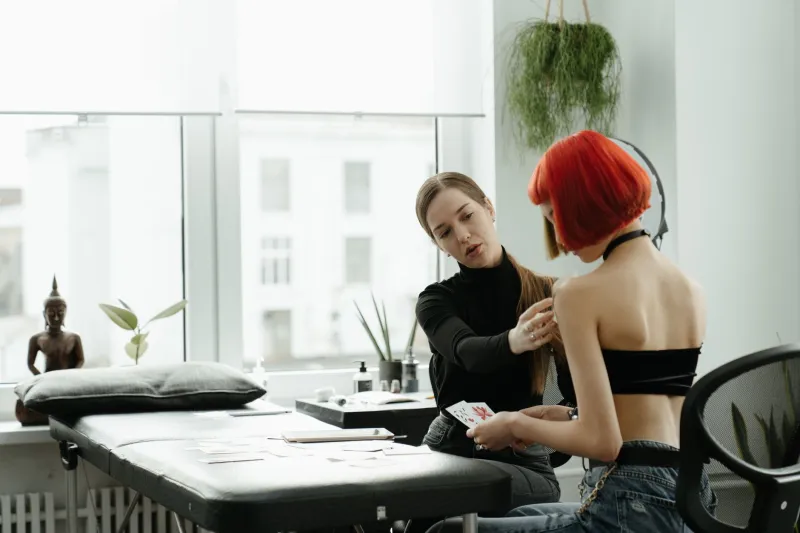
The clients who end up with tattoos that genuinely blow them away — the ones they're still excited to show people ten years later — almost always have one thing in common: they had a real conversation with their artist before booking. Not just a reference image swap. An actual back-and-forth about what they want, why they want it, and what they need to know going in.
If you're planning to book a custom piece, this is the guide you didn't know you needed.
Start With the "Why" Before the "What"
This might feel a little deep for what seems like a practical transaction, but hear us out. Before you even talk placement or style, tell your artist why you want this tattoo. Is it commemorating something? Is it purely aesthetic? Are you building a sleeve with a theme, or is this a standalone piece?
Artists aren't mind readers, but they are collaborators. When they understand what the piece means to you — or that it doesn't need to mean anything at all — they can make design decisions that actually serve your vision. An artist who knows you want something that feels raw and personal is going to approach the sketch differently than one who thinks you just thought the design looked cool online.
You don't have to get emotional about it. A quick "this is for my dad who passed last year" or "honestly, I just love the aesthetic and want it to look badass" tells your artist everything they need to steer the concept in the right direction.
Ask How the Design Will Age on Your Skin
This is one of the most underasked questions in any consultation, and it's a big one. Not all tattoo styles hold up the same way over time, and not all placements are created equal when it comes to longevity.
Fine-line work, for example, can look stunning right out of the gate but may spread or fade faster depending on your skin type and where it sits on your body. Heavily detailed blackwork in a spot that sees a lot of sun or friction — think hands, feet, or the inside of your elbow — is going to need more upkeep than the same design on your upper arm.
Ask your artist directly: How do you think this design will look in five to ten years? Are there any adjustments you'd recommend to help it hold up? A good artist will give you an honest answer, even if it means suggesting a slightly different approach than what you originally had in mind. That's not them dismissing your idea — that's them looking out for you.
Be Real About Your Pain Tolerance and Sit Time
Nobody wants to admit they might tap out early, but this is genuinely important information for your artist to have. A complex piece that requires six hours in the chair isn't the right fit for someone who's never been tattooed before and isn't sure how they'll handle it. And that's okay — there are always ways to break a larger project into sessions, or to simplify a design without losing what makes it special.
Tell your artist if it's your first tattoo. Tell them if you've had bad experiences with certain spots before. Tell them if you have a medical condition, take blood thinners, or tend to go a little lightheaded under stress. None of this is oversharing — it's the kind of practical info that helps an artist plan your session so it goes smoothly for both of you.
Also ask them what they need from you to make the session work. Some artists prefer minimal breaks. Others build them in naturally. Knowing the rhythm of how your artist works helps you show up prepared, whether that means eating a solid meal beforehand, bringing a snack, or just mentally bracing for a longer sit.
Talk Placement Like It Actually Matters — Because It Does
Where a tattoo lives on your body changes everything about how it looks, how it heals, and how it interacts with your existing ink (or future pieces you might want). Don't just point to a general area and assume your artist will figure out the rest.
Ask them: Does this design work for this spot, or would it read better somewhere else? Artists think in terms of how a design flows with the body's natural curves and contours. A piece that looks incredible on a flat forearm might need to be reworked to sit right on a shoulder or ribcage. Letting your artist weigh in on placement — rather than locking it in before you even walk through the door — can make a significant difference in the final result.
If you're building toward a larger collection or eventually want a sleeve, mention that too. A good artist can help you think about how individual pieces will connect (or intentionally contrast) down the line, so you're not backed into a corner later.
Don't Skip the Aftercare Conversation
I know, I know — aftercare feels like the boring part. But it's worth having a real conversation about it, especially if you've had issues with healing before or you're getting tattooed somewhere that's tricky to keep clean and moisturized.
Ask your artist what aftercare routine they recommend and why. Different artists swear by different methods — some prefer the wrap-and-leave approach, others are old-school with the lotion routine. Understanding what your artist recommends (and why) means you're more likely to actually follow through, which directly impacts how your tattoo heals and looks long-term.
Also ask about touch-ups. Does the artist include a free touch-up within a certain window? What would disqualify you from that (like not following aftercare instructions)? Knowing this upfront keeps everyone on the same page.
The Conversation Is Part of the Art
Here's the thing — a great tattoo doesn't start when the machine turns on. It starts the moment you and your artist actually start talking. The reference photo is just a jumping-off point. The real work is the conversation that shapes what that photo becomes on your skin.
The artists at a studio worth your trust want to have these conversations. They're not just there to execute a design — they're there to collaborate with you on something that's going to live on your body forever. Show up ready to talk, ask the questions that matter, and give your artist what they need to do their best work.
That's how a good tattoo becomes a great one.