What You're Really Paying For When You Sit Down in That Chair
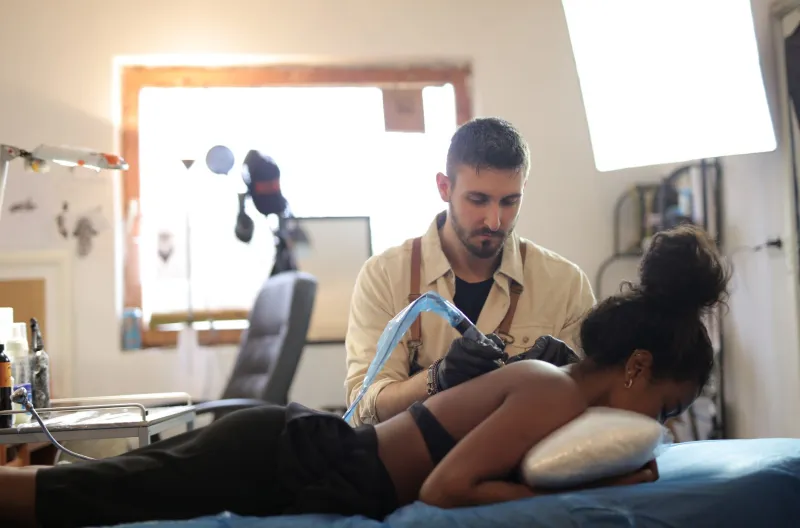
Let's be honest: the first time someone quotes you $400 for a palm-sized tattoo, your stomach might drop a little. It's a totally normal reaction. But before you start hunting for a cheaper option on Craigslist (please don't), it's worth understanding exactly what goes into that number. Because a tattoo isn't just a drawing on your skin—it's a medical procedure, a custom art commission, and a permanent decision all rolled into one session.
Here at Splash of Ink, we believe that an informed client is the best kind of client. So let's pull back the curtain.
The Artist Isn't Just Charging for an Hour of Their Time
When you pay an experienced tattoo artist, you're not just paying for the two or three hours they spend with a needle in their hand. You're paying for the decade (sometimes more) they spent perfecting their craft. Most serious tattoo artists apprenticed for one to three years before they ever touched a paying client's skin. After that, they kept practicing, kept learning, and kept refining their style.
That kind of expertise doesn't come cheap, and it shouldn't. An artist who's been tattooing for ten years has seen what goes wrong—ink blowouts, poor line work, designs that don't age well—and knows how to avoid all of it. That knowledge is baked into their hourly rate.
Speaking of rates: in the US, experienced tattoo artists typically charge anywhere from $150 to $300 per hour, depending on their reputation, location, and specialty. Top-tier artists in major cities like New York, LA, or Chicago can charge $300 to $500 an hour or more. That's not ego—that's supply and demand for genuinely rare talent.
Studio Overhead Is a Real Thing
Running a reputable tattoo studio costs serious money. Rent, utilities, equipment maintenance, licensing fees, liability insurance—it adds up fast. A legitimate shop in a mid-sized US city might spend $5,000 to $15,000 a month just keeping the lights on and the doors open.
Then there's the cost of maintaining a clean, safe environment. Autoclaves (the machines that sterilize equipment) aren't cheap. Single-use needles, sterile ink caps, disposable gloves, and barrier film all get used and thrown away with every single client. Shops that follow OSHA guidelines and prioritize your health are spending real money on those standards—and that cost gets reflected in what you pay.
Compare that to a scratchy setup in someone's basement, and suddenly the price gap makes a lot more sense.
Ink Quality Actually Matters More Than You Think
Not all tattoo ink is created equal. Professional-grade inks from reputable brands like Eternal, Intenze, or Dynamic are formulated to stay vibrant, heal predictably, and minimize allergic reactions. They're also tested for safety standards that cheaper, off-brand inks often skip entirely.
High-quality black ink holds its depth over time. Vibrant colors don't fade into a muddy blur within five years. The difference between a $20 bottle of ink and a $5 knockoff might not be visible on day one—but it absolutely shows up a decade down the road.
Real Price Ranges by Style and Size
To give you a more concrete idea of what to expect, here's a rough breakdown of what different tattoos typically cost at reputable US studios:
- Small, simple designs (under 2 inches): $80–$200. Think a tiny script word, a small symbol, or a minimalist outline. Many shops have a minimum charge in this range regardless of size.
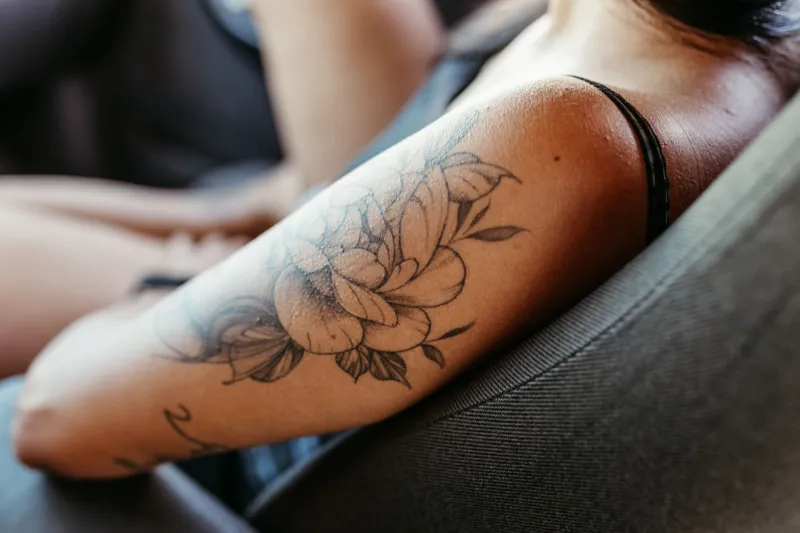
- Medium pieces (2–5 inches): $200–$500. A detailed floral, a portrait of your dog, a geometric mandala—this is where style starts to really influence the price.
- Large pieces (half sleeve, back piece, thigh panel): $800–$3,000+. These are multi-session projects, and pricing often reflects both time and the complexity of the design.
- Full sleeves: $2,000–$8,000 or more. Yes, really. A cohesive, well-executed full sleeve is a massive investment of time, planning, and artistry.
Style matters too. Hyper-realism and fine-line work tend to cost more because of the precision they demand. Traditional American and neo-traditional styles can move a little faster. Watercolor and illustrative styles vary widely depending on the artist.
Custom Design vs. Flash: What's the Difference?
Flash tattoos—the pre-drawn designs you see posted on an artist's Instagram or hanging on the studio wall—are usually priced lower than fully custom work. That's because the design is already done; the artist just needs to execute it.
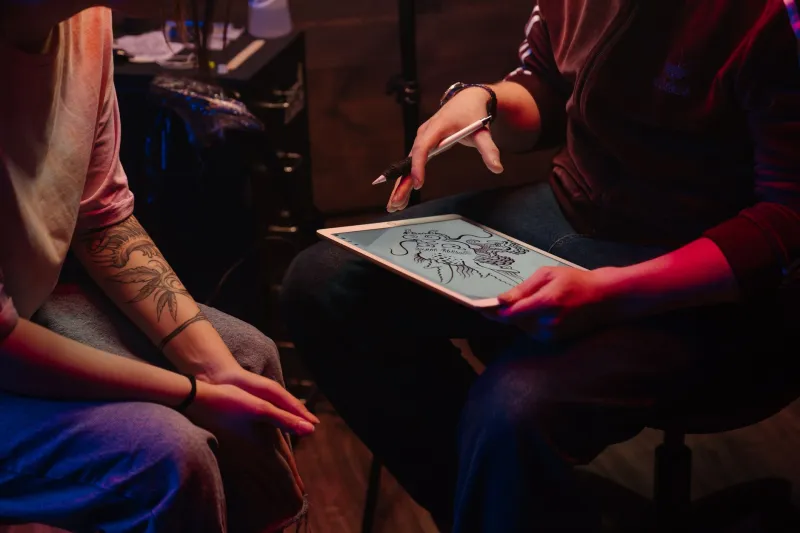
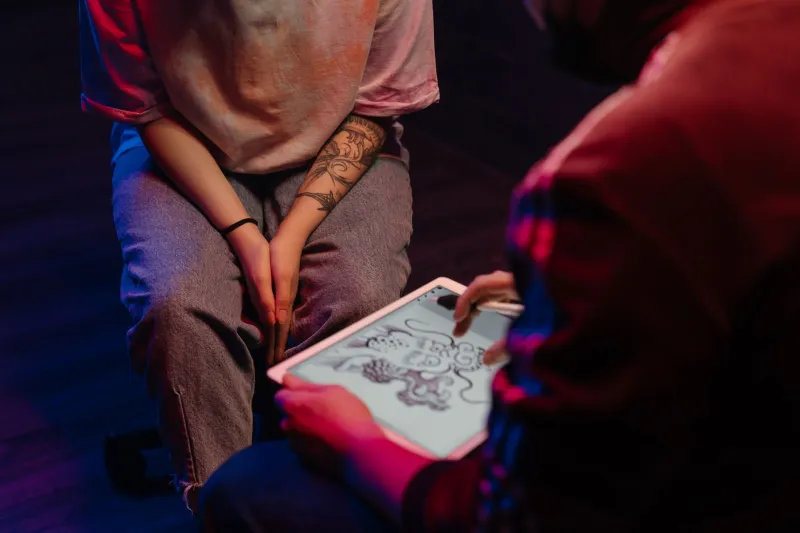
Custom work, on the other hand, involves consultation time, multiple rounds of sketching, and a design built specifically for your body and vision. That design process is labor, and good artists charge for it. Some include a design fee upfront ($50–$150 is common), while others fold it into the overall tattoo cost.
If you're asking an artist to create something truly original and personal, don't be surprised when the price reflects that.
Tipping Is Part of the Culture
In the US tattoo world, tipping your artist is standard practice—and genuinely appreciated. A good rule of thumb is 15–20% of the total cost, similar to what you'd tip at a restaurant or salon. If your artist knocked it out of the park, went above and beyond on the design, or made you feel comfortable during a nerve-wracking first session, tipping generously is a great way to show it.
Artists remember clients who treat them well. That matters when you come back for your next piece.
The Real Cost of Going Cheap
Here's the part nobody wants to hear: bargain tattoos almost always end up costing more in the long run. Poor line work, uneven shading, and ink that fades or blurs within a few years often require expensive cover-up work or laser removal sessions—which can run $200–$500 per treatment, and you usually need multiple rounds.
A tattoo you love, done right the first time, by an artist who knows what they're doing? That's the real investment. The price tag upfront might sting a little, but permanent art deserves permanent quality.
Save up. Do your research. Book with someone whose work genuinely excites you. Your future self—and your skin—will thank you.