It's Not Just the Art: Why the Person Behind the Needle Matters as Much as Their Work
Most people approach finding a tattoo artist the same way they'd shop for furniture. They browse Instagram, save a hundred posts, and eventually land on someone whose style makes their heart race. And honestly? That's a solid starting point. But ask anyone who's walked out of a studio feeling vaguely unsettled — or worse, genuinely unhappy with the experience — and they'll tell you the same thing: the art was fine. It was everything around the art that went sideways.
There's a reason some tattoo sessions feel like catching up with an old friend while others feel like a tense job interview. That reason has a name, and it's chemistry.
The Portfolio Is the Audition, Not the Whole Show
A tattoo artist's portfolio tells you what they're capable of technically. It shows you their range, their consistency, their strengths. If you want a Japanese-style sleeve and their book is full of watercolor florals, that's useful information. But a portfolio can't tell you how an artist handles nerves, whether they're open to collaboration, or how they respond when a client has a wildly specific vision that doesn't quite match their usual aesthetic.
Jasmine, a 29-year-old graphic designer from Atlanta, learned this the hard way. She booked an artist whose geometric work she'd been following for over a year. "His portfolio was genuinely stunning. But when I got there and tried to describe what I wanted — something that blended his style with a personal symbol that meant a lot to me — he kind of just... dismissed it. He said he knew what would look best and kept steering me toward what he wanted to do."
The tattoo came out technically well. Jasmine doesn't hate it. But she doesn't love it either, and that distinction matters when something is permanent.
Green Lights: What a Good Artist-Client Dynamic Actually Looks Like
So what does a healthy working relationship with your tattoo artist actually feel like before you even sit down in the chair?
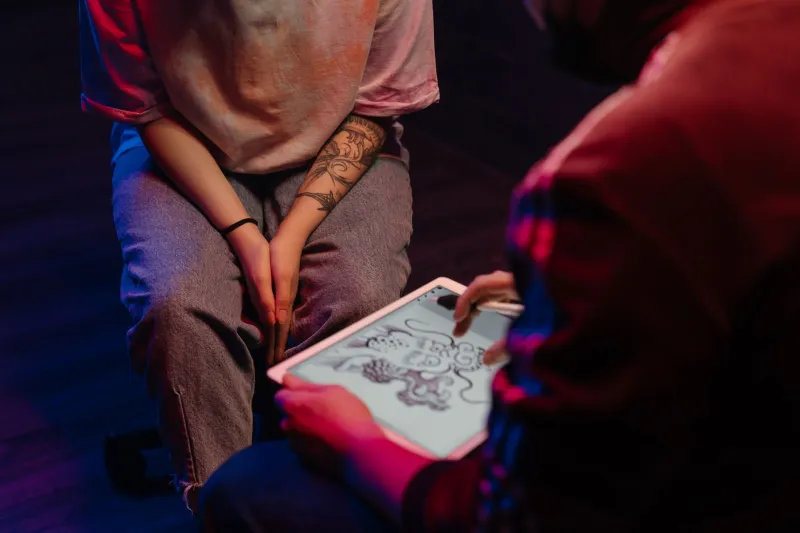
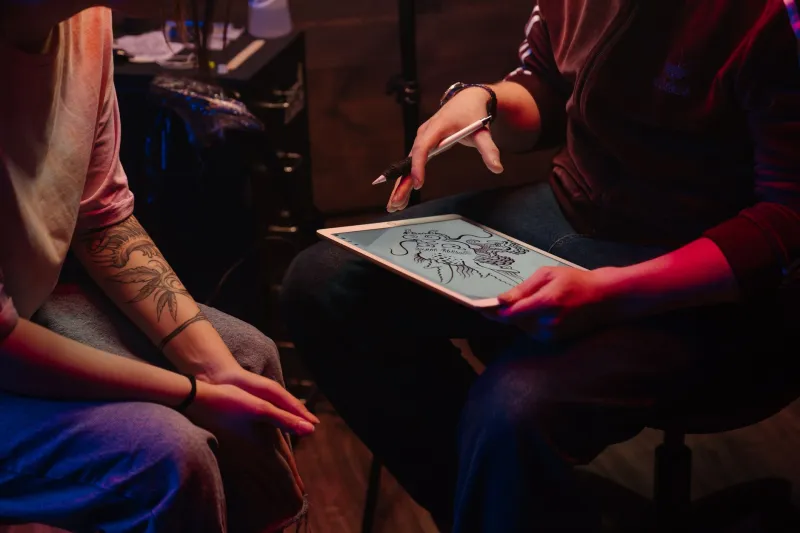
For starters, they ask questions. A lot of them. Where on your body are you thinking? What's the meaning behind it, if there is one? Have you thought about how it'll sit with your existing ink? Great artists treat the consultation like a conversation, not a monologue. They want to understand your vision before they start reshaping it.
Marco, a tattoo artist based out of a custom studio in Austin, Texas, puts it plainly: "I can teach technique. I can't teach someone to actually listen. When a client sits down with me, I need to know what they want, not just what I think I can make look cool. My job is to translate their idea onto their skin, not replace it with mine."
Another green light? Transparency. A good artist will tell you if your idea needs adjusting — and why. Maybe the placement you chose won't hold color well over time. Maybe the level of detail you're imagining won't survive the healing process. These aren't roadblocks; they're signs that your artist is invested in giving you something that'll still look great in twenty years.
Red Flags That Have Nothing to Do with the Art
Here's where things get a little uncomfortable, because some of these red flags are easy to rationalize away when you're excited about a booking.
The artist who's too busy to respond to your consultation questions? That's not just poor customer service — it's a preview of how they'll handle your input during the actual session. The one who makes you feel silly for asking about aftercare or placement? That dismissiveness doesn't disappear once the needle starts moving.
Then there's the pressure dynamic. Some artists, especially those with large followings, operate with a kind of take-it-or-leave-it energy that can feel flattering at first — like you're lucky to get their time. And maybe you are. But that shouldn't mean your voice gets sidelined. Your skin is the canvas, yes, but it's your canvas.
Derek, a 34-year-old from Chicago who has seventeen tattoos, describes one booking that still bothers him: "The artist had hundreds of thousands of followers and a six-month waitlist. I thought that meant he was the best. But when I got there, I felt like I was inconveniencing him the whole time. He barely talked to me. I left feeling like I'd just been a human sketchpad."
The Consultation Is Everything
If you're serious about finding the right fit, treat the consultation like it's part of the process — because it is. Come prepared. Bring reference images, talk through the meaning behind your idea, and pay attention to how the artist responds. Are they engaged? Do they build on your idea or bulldoze it? Do you leave the consultation feeling excited and heard, or vaguely talked out of what you wanted?
It's also completely okay to consult with more than one artist before committing. This isn't disloyal — it's smart. The right artist will understand that, and frankly, they'll probably respect you more for it.
When It Clicks, You'll Know
Ask people about their best tattoo experiences and the story almost always starts before the needle does. It starts with a conversation that felt easy, a back-and-forth that made the idea better, an artist who got excited about the project in a way that matched your own energy.
That kind of connection doesn't just make the session more enjoyable — it actually shows up in the work. When an artist is genuinely invested in your vision, when the communication is clear and the trust is real, the result tends to reflect it. The piece feels intentional. It feels like you.
Your tattoo is going to live on your body for the rest of your life. The hours you spend in that chair, the conversation you have, the way you feel walking out the door — all of that is part of the story the tattoo carries. A stunning portfolio gets you in the door. Chemistry is what makes the whole thing worth it.